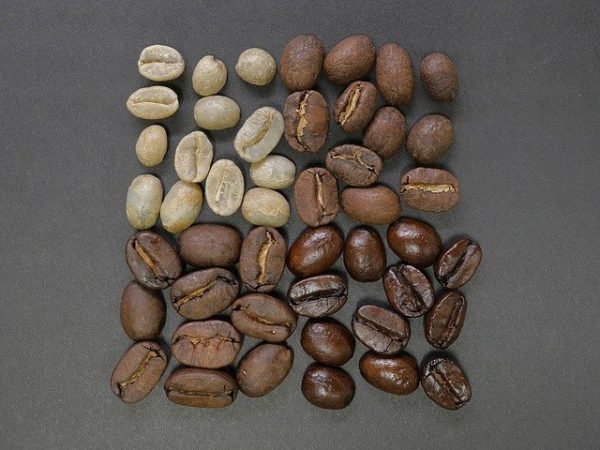
Coffee makes workplaces job. Not due to the fact that caffeine transforms individuals right into superheroes, but due to the fact that a common coffee ritual produces speed, minutes of focus, and a reason to tip away from the screen for sixty secs and rectify. When a team moves from grocery tins to an appropriate coffee beans delivery configuration, the distinction turns up in refined means: less mid-morning depressions, more unplanned conversations, and a silent feeling that the business respects the information. I have implemented coffee programs for workplaces varying from eight-person workshops to 400-person head office. The same building blocks apply across dimensions, though the stakes obtain greater as you grow. This guide walks through exactly how to set up Coffee Beans Delivery that hits the pleasant spot between top quality, uniformity, and cost, consisting of notes specific to Coffee Beans Delivery Australia, where logistics and roast designs have their own quirks.
Begin with your individuals, not the machine
The worst blunder is purchasing equipment initially and after that attempting to fit the team around it. Beginning with how your team in fact consumes coffee. For a two-week snapshot, matter cups and ask quick concerns in a brief study. You would like to know peak times, milk preferences, coffee versus filter, resistance for light or dark roasts, and the number of people will certainly grind beans themselves versus wanting push-button convenience.
On a 60-person flooring I took care of, need divided roughly 65 percent milk-based drinks like level whites and cappuccinos, 25 percent long blacks or Americanos, and 10 percent filter perfectionists who brought scales from home. Peak times were 8:30 to 9:30 and 2:30 to 3:30. Those numbers led everything from grinder capability to distribution cadence.
If your office skews toward milk beverages, a tool roast with generous body will make the most people pleased. If half the workplace drinks long blacks, select a mix that stays pleasant and tidy at longer removals. Workplaces with lots of filter enthusiasts must add a second offering, preferably a rotating solitary origin. The objective is not premium indulgence, it is lowering friction while providing lovers sufficient to enjoy.
How much coffee you in fact need
You do not require an elaborate calculator. For espresso-based programs, a functional baseline is 8 to 10 grams of beans per shot for workplace makers that dial know the flexible side, 17 to 19 grams per double for prosumer setups. In active offices, a lot of milk drinks pull as increases. A fast preparation ratio I count on is one kilogram of beans returns 45 to 55 milk drinks or 60 to 70 long blacks, relying on your dish and grind.
For filter coffee, plan around 60 grams of coffee per liter of water. If your workplace drinks 3 litres in the morning and another 2 after lunch, that is 300 grams per day, which converts to approximately 1.5 kgs per five-day week.
Now layer this over your head count. A 40-person workplace with moderate coffee culture might consume 4 to 6 kgs each week. A 120-person office with two devices and solid involvement can strike 12 to 18 kgs, in some cases a lot more in winter season or at quarter-end. For Australia particularly, offices with flat white culture tend to eat on the higher side because milk drinks urge second cups.
Waste is actual. Add a 10 percent barrier for dial-in, training, and end-of-hopper losses. Brand-new programs have a honeymoon effect; month one usually sees 15 to 20 percent extra intake before settling.
Choosing a delivery design: light touch or complete service
Coffee beans distribution remains on a spectrum. On one end is a basic membership with beans showing up every week or fortnight. On the various other end is a full-service vendor who provides beans, preserves machines, calibrates grinders, and tracks use. The right choice depends on internal bandwidth and tolerance for intricacy. I have seen lean startups make a basic registration sing, and I have actually watched huge offices fail up until they changed to a taken care of service.
For smaller sized teams with a coffee champion, subscriptions from a local roaster job beautifully. You choose a home mix fit to milk, set amount and cadence, and maintain a backup bag or more in a great cabinet. Somebody dials in the grinder every morning, cleanses the maker, and puts the next order if demand spikes. This develops to about 60 people if leadership acknowledges the time involved.
For larger offices, a handled solution is normally worth it. The supplier monitors bean use, adjusts distributions, and services devices on a repaired timetable. They usually supply loaner makers if yours stops working, which is valuable at 9 a.m. on a Monday. The margin is greater, yet so is uptime. If you are in Australia, numerous cities have carriers that pair with revered roasters. Seek those who devote to toasting within 7 days of send off and who have extra parts in the very same city.
Selecting beans: blends, solitary origins, and the workplace palate
The phrase Best Coffee Beans Delivery appears enticing, but the "best" is the one your team consistently enjoys without fuss. Workplace coffee needs to be flexible. That indicates beans that perform across a range of mills and water accounts, and that hold their character as the hopper warms with an early morning rush.
Blends made for milk radiate in offices. They typically combine Brazilian or Colombian bases for chocolate and nut notes with a touch of Ethiopian or Main American coffee for brightness. Roasters roast a color darker for body and simpler extraction, yet not so dark that the coffee tastes ashy by day three. A strong mix provides you a wide dial-in window.
Reserve single origins for your filter bar or a revolving port on the coffee bar if you have fanatics. A washed Colombian or a Guatemalan Huehuetenango with tool advancement can please both camps. Stay clear of delicate anaerobics and ultra-light roasts for mainline workplace espresso unless you have trained baristas. They are wonderful when toenailed, terrible when not.
Check roast days. Coffee is dynamic 7 to 21 times off roast for coffee, often longer for blends roasted for body. For filter, numerous coffees sing in between 5 and 2 week. If your distributions get here very same week, purpose to relax espresso beans a minimum of a week prior to height use.
Freshness and storage: tiny routines, big difference
Beans do not such as oxygen, warm, or light. You do not need fancy equipment, yet discipline matters. Keep unopened bags in a dark cabinet at a steady room temperature level. As soon as a bag is open, transfer to impermeable containers sized for a day's usage. If you run two receptacles, alternating tiny top-ups instead of letting one rest half complete. In a busy office I took care of, we evaluated out 1-kilogram bags into three vacuum cleaner containers, opening one per day. The swan song of the day tasted like the first.
Do not ice up and thaw consistently. If you need to freeze, part right into airtight bags, freeze once, and thaw each portion completely before opening up. Most workplaces are much better served by tighter delivery tempo instead of fridge freezer gymnastics.
Water: the unseen ingredient
Water high quality is the most overlooked variable. Limescale wreckages equipments and off-tasting water flattens coffee. The perfect water spec depends on your maker and the roaster's support, but a practical target for coffee is total hardness around 50 to 80 ppm as CaCO3, alkalinity 40 to 60 ppm, minimal chlorine, and pH near neutral.
In Australia, metropolitan water differs. Melbourne water tends to be soft and pleasant. Sydney has more variation by suburban area. Perth can run harder. In workplaces without purification, coffee shots might taste hollow or sharp. A plumbed-in purification system with replaceable cartridges fixes both preference and maintenance. For pour-over programs, use filtered containers with consistent remineralization to stay clear of daily swings.
Machines and mills: matching throughput to reality
An office espresso equipment is a website traffic trouble. You need peak throughput with marginal downtime. Two-group equipments take care of a constant stream of 40 to 60 beverages per hour in capable hands. Three-group equipments are insurance for larger groups or heavy milk operations. Automatic milk cleaners lower the training worry and keep temperature levels regular. For mills, choose one with a receptacle huge sufficient to stay clear of consistent refills and burrs that maintain placement under load. Allocate burr substitutes every 300 to 500 kilos, depending upon model.
I favor one dependable workhorse over 2 finicky devices. If you have greater than 100 people on a solitary flooring, two stations make good sense to minimize queueing. For filter, consider a commercial set maker with a 2-liter carafe and shielded airpots instead of single-cup makers. They are quicker and consistent, and the waste can be regulated by brewing smaller sets more often.
Maintenance is not optional. Daily cleansing with backflushing, weekly deep cleanses, and quarterly expert solution keep taste and uptime where they must be. No coffee program survives neglect.
Delivery cadence: regular versus fortnightly
Weekly delivery maintains beans fresher and decreases storage space expenses. Fortnightly shipments can be a lot more reliable and reduced shipment costs, but only if you have room to keep an extra week's stock and a prepare for rotation. For a 60-person workplace in Brisbane, we ran a Wednesday delivery cadence to ensure that beans baked Monday showed up mid-week, relaxed over the weekend, and peaked the following Monday to Wednesday when need increased. That small shift solved a string of "shots running quickly" issues we had from using ultra-fresh beans on Fridays.
Public holidays and end-of-month crunch can turn common patterns upside-down. Your vendor ought to adjust quickly. If they can not advance or delay by a day or two, you will certainly go out precisely when morale needs a lift.
Cost planning that does not backfire
Quality office coffee is less costly than many teams think. A regular workplace mix from a reputable roaster might land in between 30 and 45 AUD per kilogram at quantity in Australia, greater for boutique solitary origins. If a kg returns 50 milk beverages, coffee expense per beverage is about 60 to 90 cents, not counting milk. Add milk at 1 to 2 AUD per liter, which produces four to 6 drinks, and your per-drink cost lands in the 1.10 to 1.60 AUD variety, plus a portion to account for maintenance and cleansing products. Even with equipment leasing or amortization, you are well listed below coffee shop prices, and the saved time matters.
Avoid chasing after the outright most affordable rate. Bargain beans commonly hide prices in waste, inconsistent roast, or staff stress. Over a year, a 3 AUD per kilo distinction is minor beside the efficiency boost of reliable coffee and the stayed clear of solution phone calls from oily, dark-roasted beans that obstruct grinders.
How to collaborate with roasters and delivery partners
Relationships issue. The most effective suppliers listen, recommend without pompousness, and appear when points break. Prior to you dedicate, ask for a test month with three key checkpoints: flavor consistency, distribution punctuality, and assistance responsiveness. Provide honest comments. If the mid-day shots taste slim https://jsbin.com/comijanace or the milk cuts weirdly, allow them observe a thrill and readjust grind settings or suggest a different blend.
For Coffee Beans Delivery Australia, take into consideration logistics facts. Warmth during summer can impact beans in transit. Great partners ship early in the week to stay clear of weekend break warehouse dwell, use durable bags with one-way shutoffs, and prevent leaving parcels in straight sun at reception. In CBD towers, coordinate with building administration so shipments reach your flooring as opposed to rotting at the packing dock.
If you want the Best Coffee Beans Delivery experience, test 3 roasters over 6 weeks. Maintain the machine and grinder constants, switch over just the beans, and have 5 or 6 cups provide fast, structured notes: sweet taste, body, clarity, and just how the coffee stands up in milk. Your team will swiftly incline one account. Trust fund that.
Training and the human factor
Even an "office-friendly" configuration take advantage of thirty minutes of training. Show team leads exactly how to remove the mill, weigh a dosage, readjust work if shots run too quick or also slow-moving, and vapor milk without burning. Educate individuals to clean wands quickly, flush team heads, and empty the knock box before it overruns. These are little behaviors that turn an untidy edge into a tidy ritual.
In one office, we selected two coffee captains per floor. They were not baristas. They simply appreciated the craft. The roaster came in quarterly to freshen training and to fine-tune grinder calibration for seasonal adjustments. Personnel felt possession and took pride in it, which improved cleanliness and minimized waste by a noticeable margin.
Managing milk and non-dairy options
Milk monitoring often derails otherwise excellent programs. Line up stock with consumption patterns. Full cream and light milk split differs by workplace, but anticipate full cream to lead by a proportion of 2 to 1 in the majority of Australian offices. Oat and almond milk have supported as the leading non-dairy options. Non-dairy foams in a different way and can divide with super-light roasts. Evaluate your residence mix with your chosen alt milks prior to you commit.
Store milk chilly, track usage, and turn stock initially in, initially out. Nothing breaks trust much faster than sour milk. If your machine has an auto-steam wand with temperature control, established it around 60 to 65 degrees Celsius for milk. Hotter milk preferences level and reveals you to hot risks.
Avoiding common failure modes
I have seen office programs fail for foreseeable factors. The beans are great, however the mill is dull, so shots spurt. Or the office purchases dark, oily beans that mess up the burr chamber. Or the device's water filter goes unmodified for a year, and whatever preferences like a swimming pool. Or distributions show up late every month and managers stash emergency supermarket beans that live in the receptacle far too long.
The repairs are monotonous however effective. Change burrs on time. Pick beans with a tidy, dry surface. Use purification and swap cartridges on schedule. Confirm distribution home windows, and keep a one-week buffer in secured bags. Designate responsibility, not to offer enthusiasm yet to individuals with time in their function descriptions.
What modifications at scale
When your workplace grows past 150 individuals, traffic patterns change. Early morning lines obtain long, and noise matters. Think about 2 smaller sized coffee stations at contrary ends of the floor as opposed to one substantial island. It shortens walks and spreads out the load. Include a batch maker to capture the "I just require a lengthy black currently" crowd. Change to arranged deliveries twice weekly to minimize storage and even out quality. Treat the coffee terminal like a micro-venue: good illumination, clear signs for cleaning up steps, a tiny shelf for mugs and lids if you supply takeaway.
Your vendor partnership ought to mature as well. Bargain service-level arrangements with action times, on-loan equipment in instance of failure, and quarterly testimonials of consumption data. Request seasonal mix briefings so you know what is in the receptacle and why it changed.
Sustainability without hand-waving
Coffee can be inefficient if unmanaged. You can reduce the impact without transforming the terminal right into a lecture. Choose beans from roasters with transparent sourcing and a routine of posting origin details and farmer costs. This signals care that typically shows up in high quality as well. Use compostable container liners and prepare with structure administration or a local solution to compost invested pucks. Motivate mugs over disposables, and if you supply cups, pick strong ones and maintain them near, not concealed away. Adjust set mixture volumes to demand to avoid disposing stagnant coffee every hour.
For milk, align order dimensions to reduce putridity. If your office offers syrups, maintain the list short. They sugarcoat and clutter, and they tend to mask inadequate coffee rather than enhance excellent beans.
A simple, sturdy configuration for a 50 to 80 individual office
Here is a small pattern that has worked repetitively:
- One two-group commercial coffee equipment with auto-steam, one on-demand mill with 65 to 75 mm burrs, and a second smaller mill for decaf or rotating solitary beginning. A 2-liter set brewer with two protected airpots for early morning service and meetings. Weekly Coffee Beans Delivery arranged mid-week, 6 to 8 kilos complete across a residence mix for espresso and a filter roast. One kilo of decaf. Toasted within 7 days of dispatch, eaten in between days 8 and 21. Plumbed water purification sized to your use with a quarterly maintenance strategy. Burr substitutes every 6 months or 350 kilos, whichever comes first. Daily cleaning list posted at the terminal and owned by 2 coffee captains.
This pattern maintains top quality high, failures uncommon, and routines simple. You can scale it up by doubling stations instead of supersizing any type of one element.
Notes specific to Coffee Beans Delivery Australia
Australia has an espresso-first culture, particularly for milk beverages like flat whites and cappucinos. Roasters tune blends for that truth. If your group includes people from filter-centric countries, include a revolving filter program to maintain everyone pleased. Delivering ranges in between cities can be long. If your workplace remains in Perth or Adelaide, look for regional roasters to avoid multi-day freight and warm exposure, unless your favored roaster proves trustworthy in transit.
Public holidays cluster around April and December, and lots of roasters take a summer season break. Clarify your delivery schedule well in advance of those home windows. Heatwaves can press function areas above 30 degrees. Ask structure administration to place coffee boxes far from windows or prepare morning shipments. Some messengers in Australia will not deliver to upper floorings without a contact name. Set up a called contact so boxes do not sit at the dock.
Finally, Australia's dairy prices have actually fluctuated in recent years. If your workplace gives non-dairy choices, bargain supply terms for a quarter at once as opposed to going after regular specials. Consistency is worth a couple of cents per drink.
Troubleshooting taste without panic
Espresso preferences sour and slim today? First, check grind. Warmer rooms make beans move much faster, so you might require to tighten the work slightly. If shots are drawing too quickly, purpose to add 2 to 3 secs to your shot time at the exact same dose. If that fails, think about the beans' age. Coffee at day 4 off roast can be fizzy. If your shipment landed the other day, park those bags for a couple of days and run the last of your previous batch. Water filters nearing end-of-life can also flatten taste; if you are near the solution window, adjustment them.
Milk tastes off? Verify milk temperature and age. Many auto-steam systems wander and need recalibration. Milk over 70 levels preferences prepared and boring. Maintain pitchers completely dry before steaming, as diluted milk acts strangely.
Batch mixture preferences bitter in the pitcher after half an hour? Make smaller sized batches regularly and maintain the mixture proportion constant. If the coffee preferences plain, attempt fresh grinding coarser and decreasing mixture time by 15 seconds on your equipment, or switch to a filter roast much better suited to batch.
Rolling out change without ruffling feathers
Switching to a new Coffee Beans Delivery partner or altering blends needs communication. A brief note on the coffee station helps: "We are examining a new residence mix for two weeks. It should taste like milk delicious chocolate and caramel in milk, and brilliant rock fruit as a lengthy black. If your shots run as well quick, push the grinder coarser by one notch. Comments welcome." This does 2 points: sets assumptions and equips tiny modifications without summoning a manager.
Pick a day to evaluate feedback, and if needed, change. If your team grumbles that the coffee is also light or fruity, a darker-leaning mix will likely win even more hearts. If people say it tastes burnt, back off. Preference is subjective, but workplace programs flourish on broad authorization instead of particular niche perfection.
When the mathematics states quit doing espresso
Not every office must run an espresso bar. If you do not have the counter room, the budget for maintenance, or the personnel passion to maintain it clean, a filter-forward program can still be superb. A high quality batch brewer with a turning single beginning, a grinder collection for manual pour-overs for those who take pleasure in the ritual, and a simple auto-frother for milk can please most demands. Expense declines, training is unimportant, and uniformity can be better than a badly kept espresso setup. Coffee Beans Delivery still matters right here. Pick roasters who roast especially for filter, and you will certainly get clearness and sweetness that surprises people made use of to skin machines.
The peaceful payoff
A well-run coffee program discolors right into the background, which is the factor. Individuals show up, draw a pleasant, balanced shot, pour silky milk, chat for a minute, and head back focused. Conferences start promptly because no one requires to queue downstairs. Clients feel welcomed with something much better than vending machine coffee. And the workplace culture benefits in manner ins which do not show up on a spread sheet but do show up in retention and morale.
Set the program up attentively, match supply to real need, and pick partners who appreciate quality and solution. Whether you are comparing suppliers for Coffee Beans Delivery Australia or merely trying to curate the most effective Coffee Beans Delivery for your team, the basics are the same: fresh beans, good water, trustworthy gear, and human beings who understand simply sufficient to maintain points humming. Keep those elements in equilibrium, and the rest ends up being a positive routine.