Light-roast coffee is a research study in restriction. It asks the roaster to quit prior to sugar transforms to char, to maintain the sugars undamaged, and to allow acidity sing as opposed to hush it. When done well, a light and intense profile can taste like sunlit citrus, bergamot, honeydew, pink florals, or candied rock fruit. When done badly, it turns woody, sour, or slim. The difference usually begins long before the pot boils. It starts with green coffee option, roasting skill, and freshness. Delivery speed matters. Packaging matters. Also just how a messenger deals with a box on a humid mid-day can nudge flavors.
I have actually spent the previous years rotating through subscriptions, single-bag purchases, and seasonal boxes from specialized roasters across the USA and Europe. My kitchen area resembles a small cupping lab for half the year, with a well-lit corner committed to flat-bottom makers and a knock box that has actually seen better days. Light-roast drinkers are spoiled for selection right now. The technique is to match beginning and process to your preferences, then discover a distribution version that maintains beans at peak taste without costing greater than your grinder.
Below, you'll find a functional map to light and bright coffee, plus the roasters and shipment programs that regularly get it right, whether you want the most effective coffee beans delivered promptly for a weekend pour-over or you're hunting for cheap coffee beans delivered without compromising quality. Anticipate some trade-offs. Citrus-forward Kenyan great deals may taste electric but require tighter dialing. Natural Ethiopian coffees can flood the cup with fruit, yet they penalize imprecise puts. I'll flag these sides along the way.
The composition of light and bright
Brightness in coffee is not a solitary note. It's a chord made from acidity type, sweetness, tactile feel, and aftertaste. In a light-roast profile, level of acidity frequently leads, yet sweet taste needs to comply with close behind or you'll feel like you're consuming lemon water. Think about it as a tightrope in between vitality and balance.
- Acidity form: Citrus (lemon, yuzu), malic (environment-friendly apple, pear), tartaric (grape), phosphoric (shimmering cola feelings). Kenyan and Ethiopian washed coffees usually bring phosphoric pop. Colombian and Guatemalan washed great deals lean malic. Naturally processed Ethiopians can push towards ripe berry and exotic tartness. Sweetness and framework: High-altitude beans with careful selecting program clean sweet taste. Roasters working at light growth target sugar browning without tipping into caramel and cocoa. The outcome: a honeyed backbone that maintains the acid. Aftertaste: Great light roasts complete long, not loud. The flavor remains without transforming astringent.
The best coffee beans delivery programs calibrate roast timetables to ship within 24 to 72 hours of roast, maintain volatile aromatics with high-barrier valves, and stay clear of mid-transit warmth direct exposure. A bottle of fragrance left in a hot vehicle loses leading notes. Coffee acts similarly.
Origins and processes that award a bright palate
I rotate via particular coffee areas and handling approaches to keep the mug lively without slipping into trick territory.
Ethiopia, cleaned: The standard for flower and tea-like delicacy. Regions such as Yirgacheffe, Guji, and Sidama provide jasmine, bergamot, lime passion, and white peach when roasted lightly. If you brew with a flat-bottom dripper, you'll frequently coax out lemon candy with a long, clean finish.
Ethiopia, natural: For fruit-forward illumination, naturals from Aricha or Shakiso can feel like strawberry compote and tropical fizz. The danger is muddiness if baked inadequately or made as well warm. These beans like a slightly cooler brew water range, around 198 to 201 F, and a mild pour.
Kenya, cleaned: If you long for shimmer, SL28 and SL34 selections from Nyeri and Kirinyaga carry blackcurrant, cranberry, and soda break with phosphoric lift. Light-roast Kenyan coffees require precise removal. Overshoot and the mug feels sharp. Undershoot and you obtain slim cranberry skin rather than juice.
Colombia, cleaned or honey: Colombian coffees from Nariño and Huila bring a consistent hand to brightness: eco-friendly apple, panela, and mandarin chinese, commonly with a smooth appearance. Valuable when you desire clarity but not fireworks. A go-to in my turning for weekday brews.
Guatemala, washed: Huehuetenango and Antigua great deals frequently favor apple, cacao nib, and citrus peel. These are forgiving beans for home brewers that want a bright mug without consistent recalibration.
Rwanda and Burundi, cleaned: Floral-tart accounts with red fruit and tea notes, plus a trademark sweetness when the handling is clean. Look for seasonal quality. When fresh, you obtain cherry-lime and caramelized sugar. When previous prime, the level of acidity dulls first.
Experimental procedures: Anaerobic, carbonic maceration, or extended fermentations container amplify fruit and acid. They can likewise introduce funky, winey notes. I treat them as periodic deals with, not everyday drinkers, unless the roaster demonstrates restraint.
Roast approach and what to seek on product pages
Good roasters of light coffee are transparent. They provide roast level, harvest dates, selection, altitude, handling, cupping notes, and occasionally water referrals. They prevent obscure cases and show a roast chart or advancement time when they can. You're trying to identify 2 things: whether the bean's inherent acidity fits your taste buds and whether the roast growth will certainly maintain it sweet.
Helpful signals on a roaster's page:
- Roast level described as light or light-medium, with sampling notes citing citrus, florals, or stone fruit as opposed to chocolate-heavy descriptors. Fresh crop language, such as "new harvest," "arrived in July," or "fly crop," which hints at recent landing and lively aromatics. Shipping cadence, preferably toasting to order two to four days weekly, which enhances the chances you receive beans within 3 to 5 days post-roast.
If you're contrasting the very best coffee beans delivery alternatives throughout numerous roasters, freshness and openness beat advertising and marketing gloss every time.
Delivery designs that keep light roasts at their peak
Speed issues, yet consistency matters extra. Light roasts establish in the bag for a few days post-roast. For filter developing, I discover the pleasant spot runs from day 3 to day 21 for most washed coffees, and day 5 to day 28 for naturals. Previous 4 weeks, illumination dulls. That forms which delivery option makes sense.
A la carte getting: Perfect if you go after details great deals. You can time purchase and shipping so beans get here mid-week, then ride the height for 2 weeks. The drawback is shipping charges can accumulate unless you pack 2 or three bags.
Roaster subscriptions: One of the most trustworthy course to the very best coffee beans delivered on schedule. Many use a "filter light" track and will certainly stop or skip when you take a trip. Expect versatile tempo choices: every 1, 2, 3, or 4 weeks. The economics boost, commonly shaving 5 to 15 percent off the retail price.
Multi-roaster registrations: Services that curate from several roasters introduce variety without numerous shipping charges. Quality ranges from genuinely top-tier curation to box-of-surprises roulette. I move to those that publish roast dates and offer preference accounts tuned to "light and bright."
Direct import and minimal declines: Some roasters launch micro-lots with clear farm-level information and greater price tags. These can be peak experiences for intense accounts, though you pay for it in both bucks and the job of dialing a picky bean.
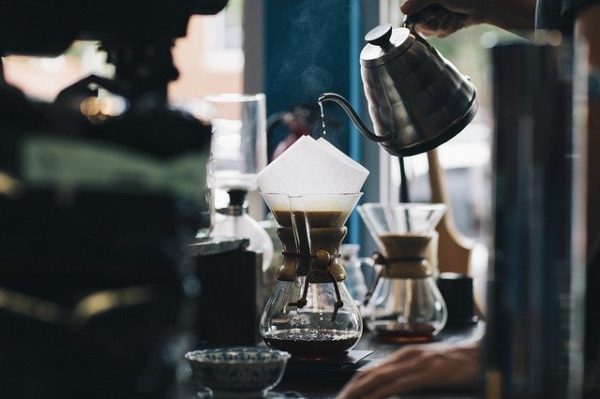
If you're searching value, there are reputable cheap coffee beans delivery options that still value the light-roast principles. You might trade farm-level microlot traceability for local blends or last period's great deals that still consume alcohol well. The trick is preventing bargain beans roasted dark to conceal defects. Even on a spending plan, you can locate cheap coffee beans delivered that pour clean and citrusy.
Roasters and programs that deliver light and intense consistently
Geography forms logistics. Rather than a solitary winner, I keep a list and choice based upon beginning seasonality and shipping rate to my location.
United States, West Coast: Numerous roasters in California and the Pacific Northwest roast clear light profiles and ship fast throughout the region. They commonly publish detailed origin information and roast once a week on set days. If you live in the Mountain West or Southwest, West Coastline shipping can still strike you within 3 to 4 days post-roast, which is optimal for a light Ethiopian washed.
United States, Midwest and East: Chicago, Madison, and New York area roasters can get to both shores in 2 to 4 days ground solution. The far better ones roast to order and send with nitrogen-flushed, high-barrier bags. I've had Kenyan great deals get here from the Midwest sampling amazingly fresh on day 4, with blackcurrant leaping out of the cup.
United Kingdom and EU: North European roasters push ultra-light Nordic-leaning accounts that are laser exact. Illumination here suggests acidity with ruthless quality. If you're in the EU, you obtain the best coffee beans delivery timelines with 48 to 72 hour arrivals post-roast. If you're outside the EU, delivery can take 5 to 10 days and might be better suited to naturals that hold aromatics longer.
Australasia: Roasters in Melbourne and Wellington have developed an online reputation for tidy, fruit-first light roasts with somewhat even more body. Regional shipping is quick. International buyers should factor long preparations and select beans that hold up.
If you're new to light and bright, start with Ethiopia washed or Colombia cleaned from a roaster recognized for filter roasts. If you already enjoy level of acidity, add a Kenyan abdominal muscle or peaberry and an all-natural Ethiopian to see how your grinder and water deal with extremes.
Shipping, bag design, and what quality actually means
Freshness is not code for earliest feasible mixture. Light-roast filter coffee requires remainder. The co2 created throughout toasting dissipates slowly, and developing too early can mute sweetness and inflate regarded acidity. For washed Ethiopians and Kenyans, I choose day 4 to 14. For naturals, day 6 to 21. Espresso stretches longer.
Bag design matters more than individuals believe. Look for multilayer or aluminum-lined bags with a one-way shutoff and a correct seal. Slim kraft paper with a valve is lovely, yet not ideal for a 10-day journey. A fantastic bag plus wise timing can make a three-state shipment surpass a neighborhood bag purchased same-day and opened up immediately.
When possible, choice shipping that avoids weekend break holds. A bag toasting on Thursday and delivery Friday may sit in a warehouse up until Monday. If your roaster offers a ship-by choice, line it up so transit days land mid-week. Keep an eye on weather condition. If your region hits a warm front, consider stopping for a week rather than cooking your coffee en route.
Brewing methods that raise level of acidity without harshness
Light and brilliant beans reward intention at the brewer. You can highlight citrus and flower notes without thinning the body.
Water: Start with 60 to 80 ppm complete firmness, 20 to 40 ppm alkalinity, and calcium and magnesium in equilibrium. If your tap water is heavily mineralized, consider a countertop filter and a remineralization dish. Reduced alkalinity sharpens regarded level of acidity, however do not eliminate it completely or you'll get a glazed cup without any cushion.
Grind: Modern flat burrs, specifically with unimodal geometry, emphasize clearness and shimmer. Cone-shaped burrs can provide texture and sweetness to balance level of acidity. I rotate a flat-burr mill for Ethiopia and Kenya washed, then change to cone-shaped for naturals and Colombians.
Brew temperature: For washed intense coffees, 200 to 203 F draws complete fragrant array and structured acidity. For fruity naturals, a touch cooler - say 198 to 201 F - avoids overextraction of fermenty notes. Readjust by 1 or 2 degrees, preference, and maintain notes.
Flow and call time: A steady, moderate flow helps even removal. With flat-bottom drippers, I go for a 2:45 to 3:15 complete time for 15 to 18 grams of coffee. With cone-shaped drippers, an extra pulse can press acidity into balance. If your pour-over tastes like lemon pith, coarsen the grind somewhat and expand call time by 10 to 20 seconds.
Dose and ratio: For cleaned Ethiopians and Kenyans, 1:16 to 1:17 highlights quality. For naturals, 1:15 to 1:16 tucks fruit right into a sweeter frame. Coffee with light roasts requests perseverance. Ratios like 1:2.5 or even 1:3 with longer preinfusion stabilize brightness without biting edges.
How to select in between best and budget
There's space in a thoughtful coffee practice for both the most effective coffee beans delivered with microlot provenance and cheap coffee beans delivery that still make brilliant and tidy. The distinction generally comes down to sorting and great deal dimension, not whether a coffee can be baked light efficiently. Here's how to maintain standards high without overspending.
- Seek local blends from credible roasters. A "Guji blend" or "Central America cleaned mix" can provide citrus and apple notes at a reduced cost than solitary farms. Great roasters develop these blends from high quality elements, not leftovers. Watch for seasonal clearances. When new plant lands, last period's top great deals often decrease in rate. A tidy, well-stored bag from six months ago can still taste lively. Subscribe for cost savings, after that pause wisely. A registration often nets 10 percent off plus integrated shipping. Pause when you have excess or when traveling looms. Order two bags each time. Numerous roasters offer totally free shipping limits. Couple an everyday regional mix with an unique lot. You'll save money on shipping and contrast profiles side by side. Avoid incorrect economic situation. If a roaster markets beans for a suspiciously small cost and hides roast dates, you'll invest your savings in irritation. Much better to pay a few dollars extra for sincere information.
Those tactics help you browse cheap coffee beans delivered choices without drifting right into stagnant or flat cups.
Anecdotes from the cupping table
A few sampling memories secure my standards. A washed Ethiopian from Gedeb landed at my door on a Tuesday, baked the prior Friday. Day 5 tasted like Meyer lemon and white peach with a jasmine vapor that appeared to climb up out of the mug. The exact same bag on day 12 sweetened right into honeyed lemon tea. It remained elegant through day 18, then the top notes receded.
A Kenyan from Nyeri, SL28 and SL34, roasted ultra light, struck me on day 3 with searing blackcurrant and cranberry break - a little unmanageable. By day 7 it discovered a groove: phosphoric shimmer, ripe currant, sugarcane sweetness. Grind modifications by a solitary notch were enough to turn from jolting to completely poised.
Then an affordable Central America blend from a reputable roaster surprised me. It set you back 20 to 25 percent less than single-origin bags. In the cup, I located environment-friendly apple, lemon peel, and toffee sweetness. Not a showpiece, yet it held its own for weekday brews and dealt with milk in little coffees without falling down. That bag convinced me you can chase after value while keeping the light-roast guarantee alive.
Packaging and storage at home
Once package shows up, treat your coffee like fruit and vegetables, not kitchen filler. Maintain bags in a trendy, shaded cupboard, not the refrigerator. Dampness condenses on cool beans when you open up the bag, which damages clearness. If the bag lacks a solid seal, move beans to an impermeable container with a one-way shutoff. For larger orders, freeze beans in portioned, closed packs. Freeze once, defrost when. I part 60 to 80 grams in zip pouches, squeeze out air, and stash them in an inflexible container to stay clear of squashing. Icy coffee can taste amazingly fresh weeks later on, preserving the intense notes that discolor fastest.
Customer solution and shipping hygiene
The best coffee beans delivery solutions deal with consumer communications as part of quality assurance. If a delivery stalls in warm or a bag arrives damaged, great roasters make it best promptly. I value roasters that send monitoring promptly, disclose roast dates before delivery, and respond to inquiries regarding water dishes and brew approaches without copy-paste answers. When you locate that level of care, stick with them.
On your end, do your part. Track deliveries so bags don't sit on a warm porch. If you stay in a dense building where parcels stick around in a lobby, take into consideration a pick-up locker or a work address. Little modifications keep brilliant mugs bright.
A basic path to your best very first month
If you want a functional course to a brilliant schedule without overthinking it, follow this tempo over four weeks. Week one, order a washed Ethiopia from a roaster known for filter profiles. Week two, add a Colombian washed or honey for a somewhat sweeter, a lot more flexible cup. Week three, bring in a Kenyan cleaned for that cola-like glimmer. Week 4, attempt a natural Ethiopian to see just how you like fruit-laden brightness. Keep notes on work, water, and temperature. You'll complete the month with a clear feeling of which beginnings and processes sing in your setup.
The quiet deluxe of doing light right
When the cup lands where it should, light-roast coffee feels like customized garments. Absolutely nothing is extra, everything is purposeful, and the fit lets you relocate. Brightness isn't loudness. It's accuracy, depth, and tidy lines. The roaster makes a thousand little decisions to hold the line before sugar, then packs and ships to make sure that volatile aromas aren't left on a packing dock. You choose a shipment program that respects the roast date and your timetable. You brew with water and strategy that provide acidity a soft location to land.
Whether you're chasing after the best coffee beans delivery from a roaster with a small-batch Kenyan you'll keep in mind all year, or searching for cheap coffee beans delivery that still put lemony and sweet on a weekday https://juliuspmox463.yousher.com/coffee-beans-delivered-regular-monthly-set-it-and-sip-it morning, the exact same principles use. Support current harvests and straightforward information. Safeguard the beans en route and in your home. Brew with objective. The reward is a cup that wakes the palate, not with quantity, however with clarity. Bright, fragrant, quietly luxurious.